Company News
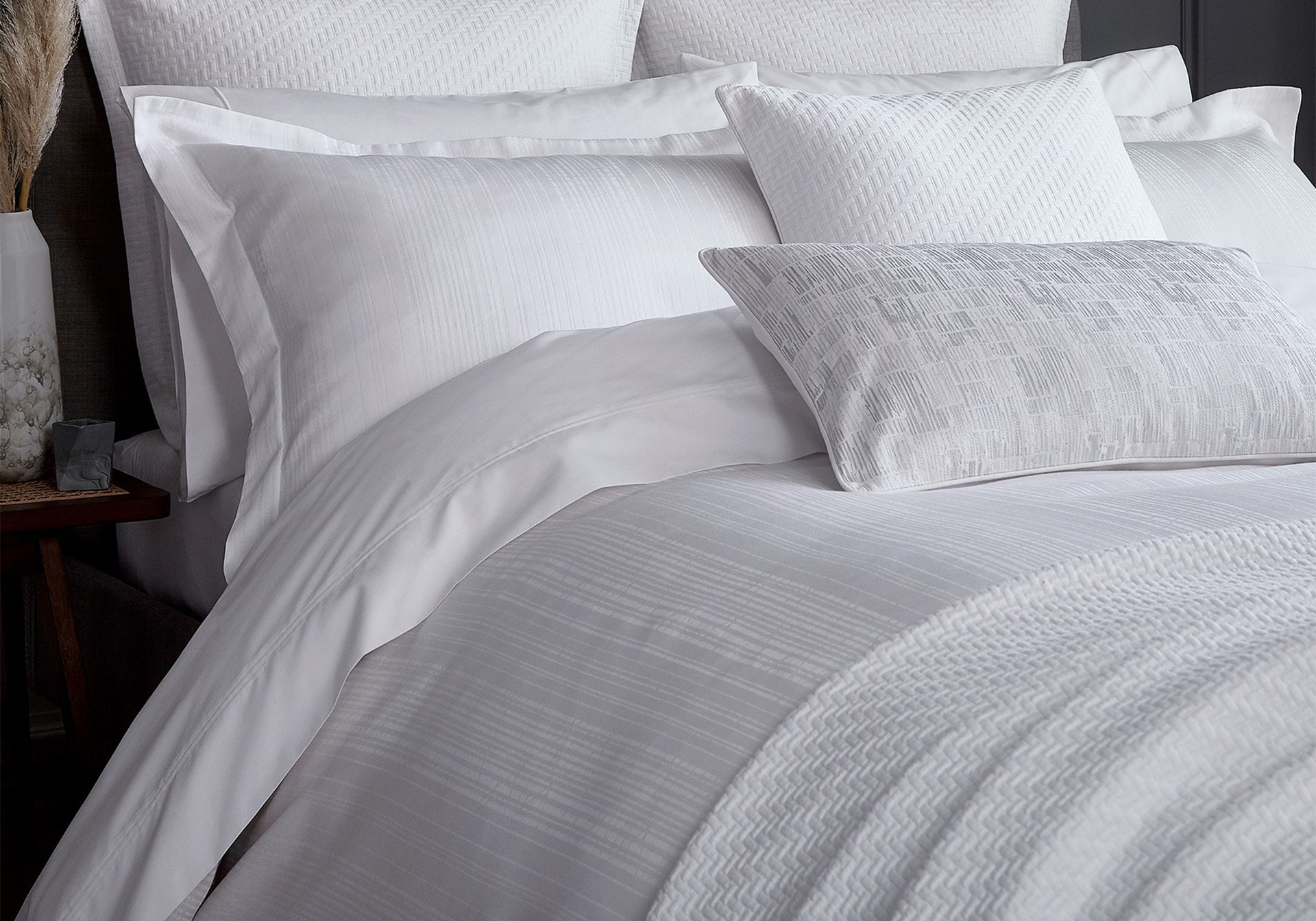
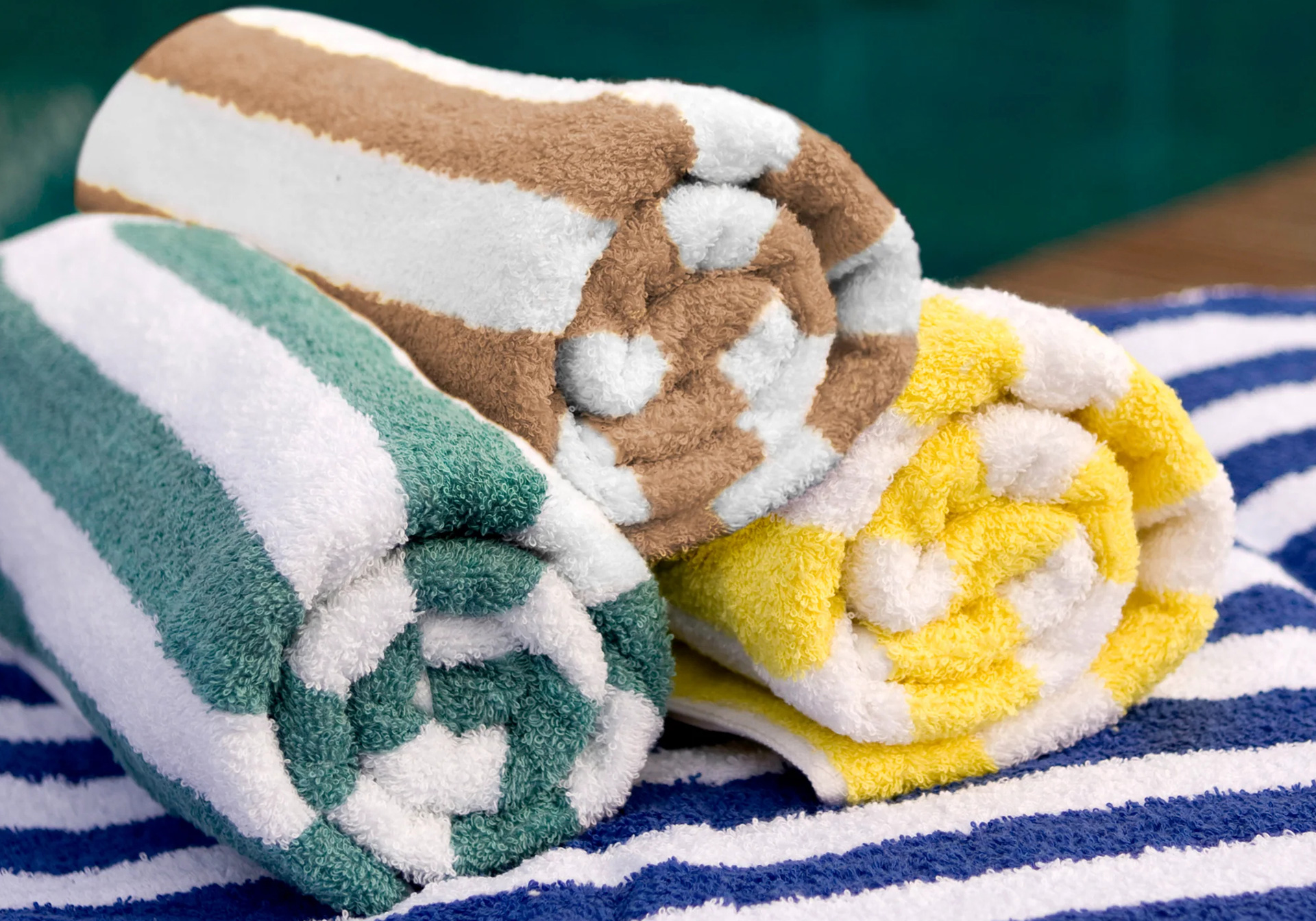
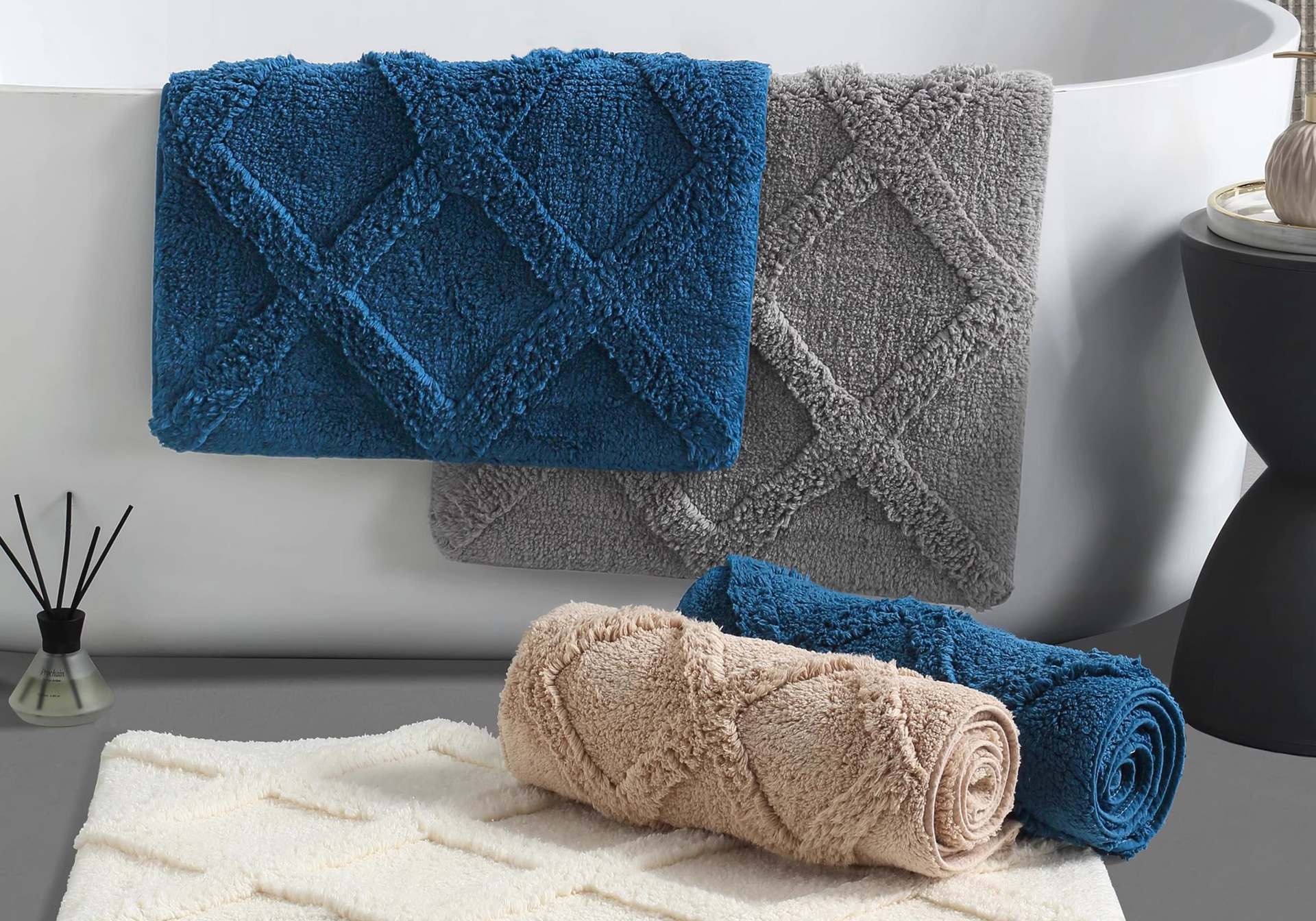
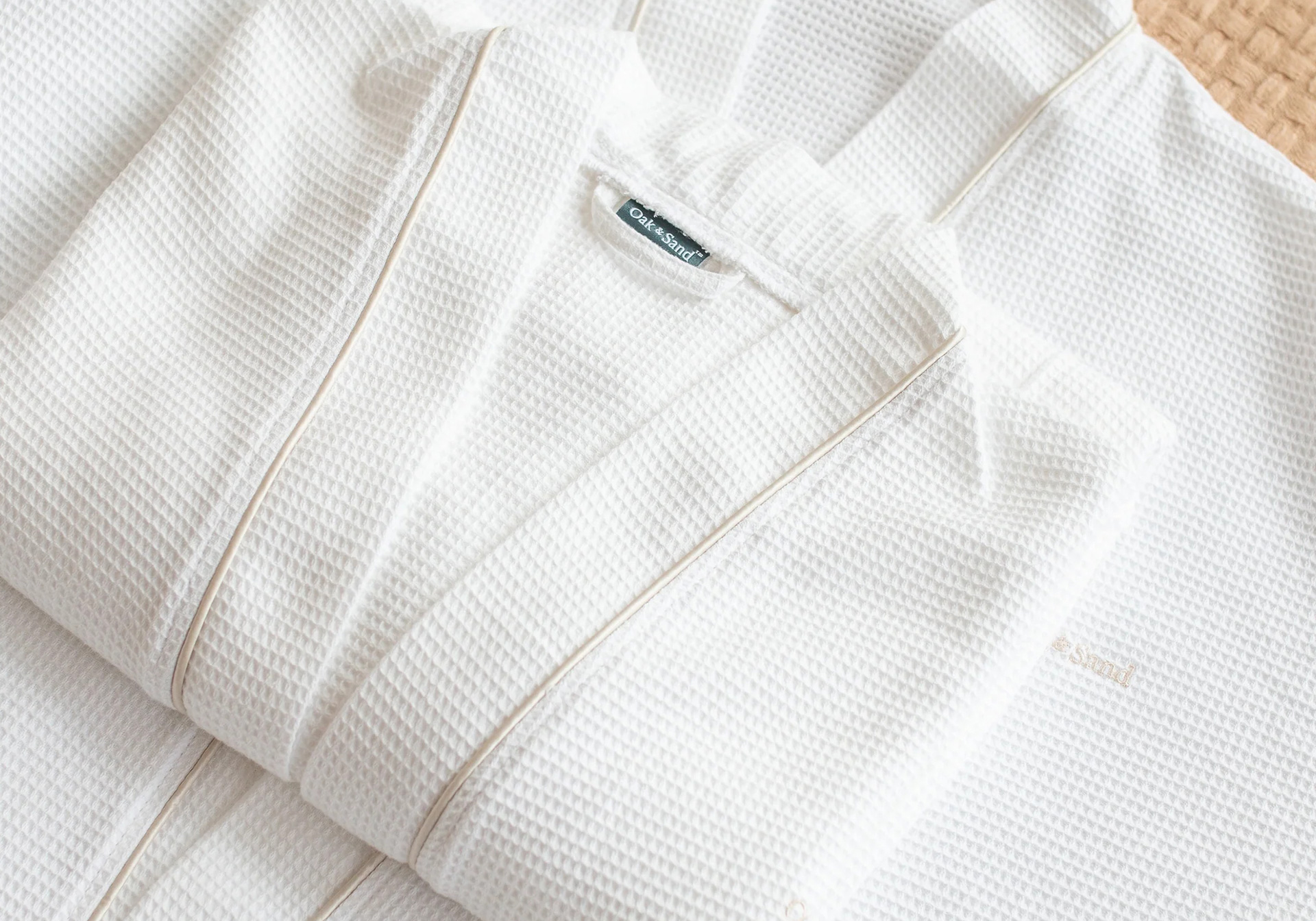
In the hospitality industry, hotel linens — including bed sheets, duvet covers, pillowcases, towels and bath textiles — are core guest-contact supplies that directly determine guest experience and hotel operational costs. Due to round-the-clock high-frequency occupancy, repeated laundering and continuous disinfection, hotel linens inevitably suffer from fiber aging, fading, thinning, fraying and damage. Excessive linen loss leads to higher replacement costs, unstable room presentation and declining guest satisfaction. Therefore, implementing scientific and systematic management strategies to reduce high-usage wear and extend linen service life is essential for professional hotel operation. This article summarizes practical solutions covering linen selection, laundry procedures, inventory rotation, on-site management and technical optimization.
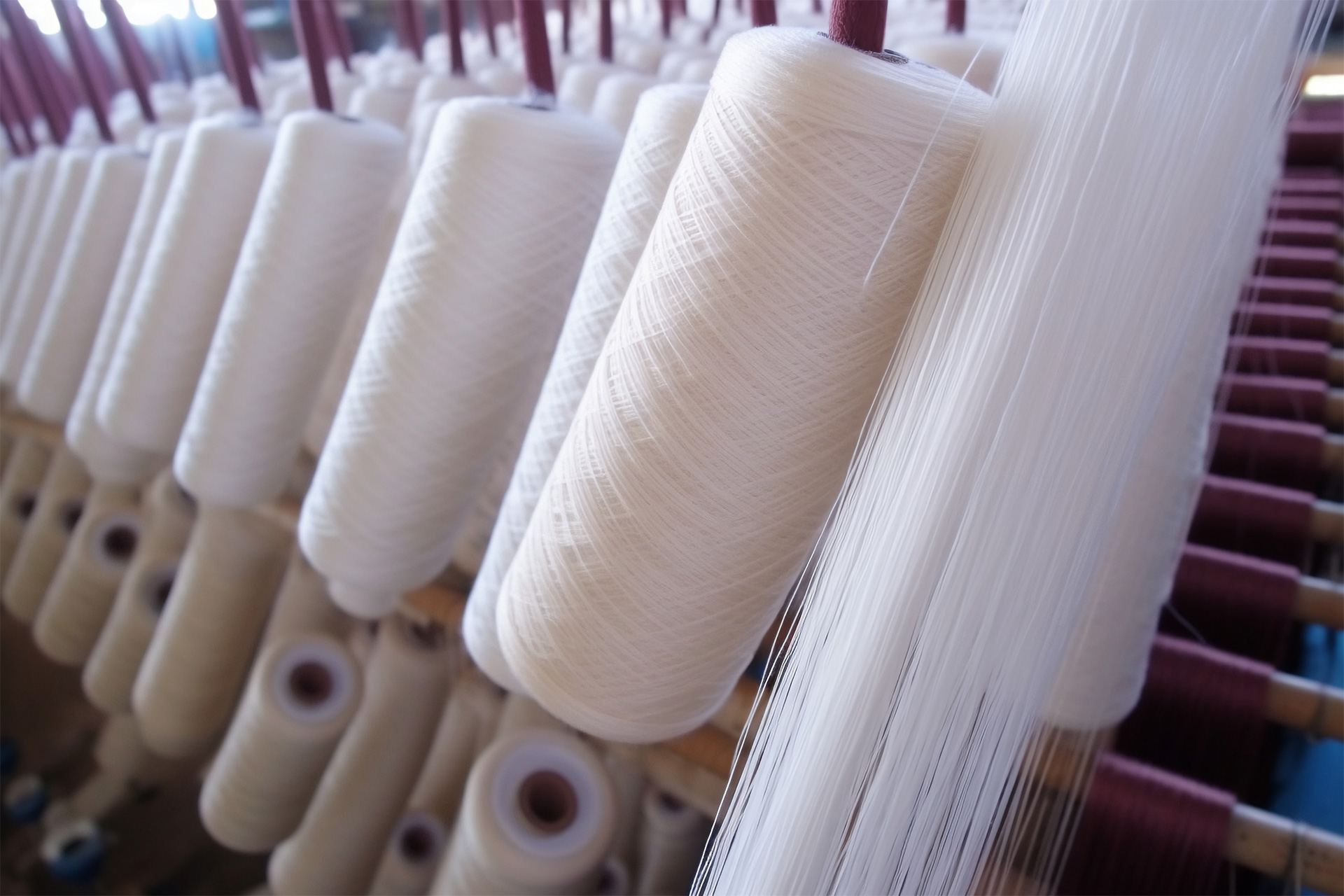
The foundation of anti-wear linen management lies in standardized procurement and premium material selection. Household textiles cannot withstand commercial hotel washing cycles; only industry-specific hotel-grade fabrics can adapt to high-frequency usage.
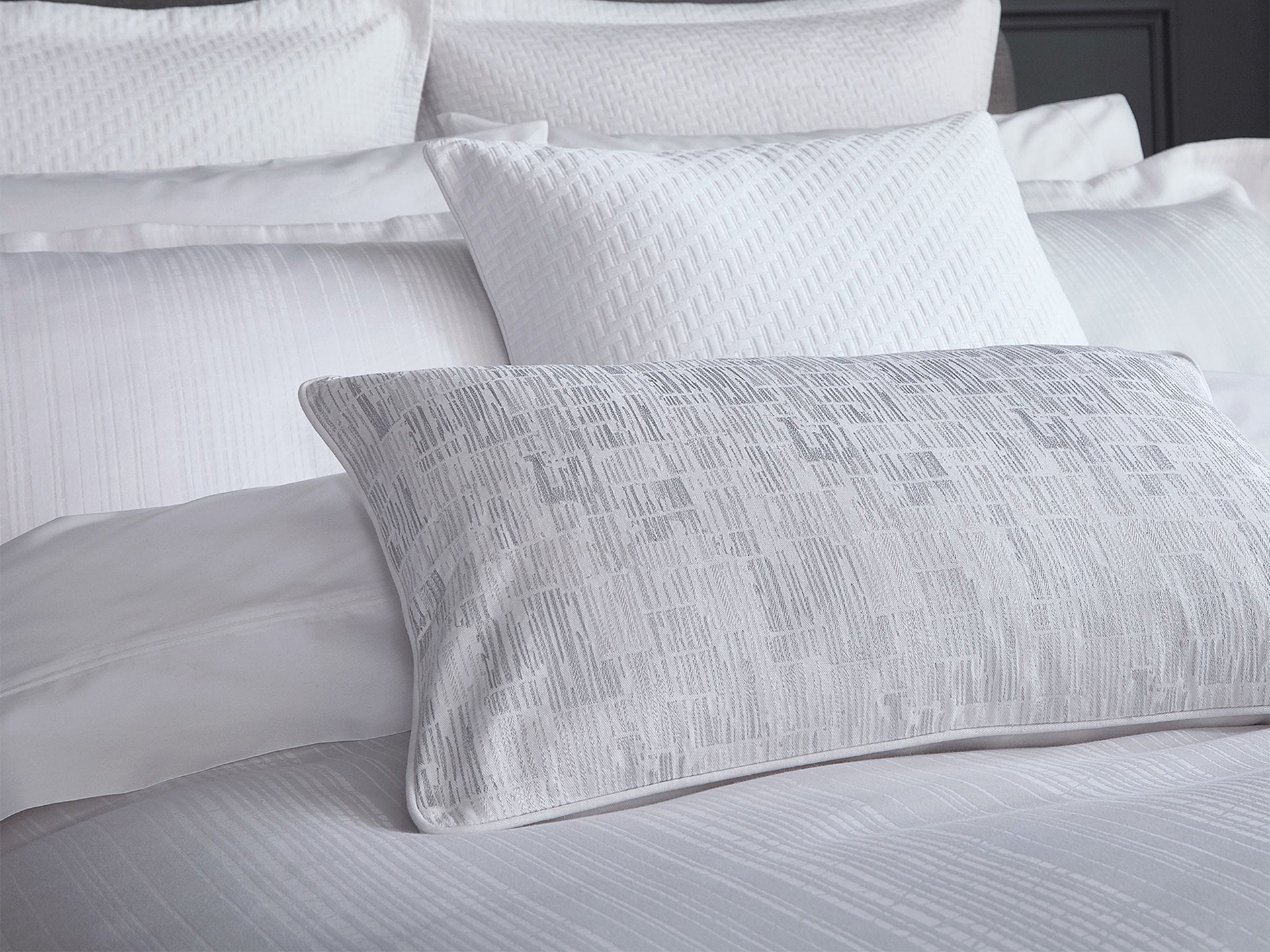
Hotels should prioritize high-count and high-density pure cotton or optimized blended fabrics. High-density woven textiles feature tighter fiber structure, stronger tensile strength and superior abrasion resistance, remaining soft and durable after hundreds of industrial washes. For enhanced performance, hotels can choose functional finished fabrics with anti-bacterial, anti-static, anti-yellowing and anti-pilling treatments, which greatly reduce aging damage caused by frequent washing and contact friction.
Poor stitching is one of the leading causes of early linen damage. Qualified hotel linens adopt double-stitched seams or four-needle six-thread craftsmanship, which reinforces edge tension and effectively prevents thread loosening, seam cracking and tearing during repeated washing and high-temperature drying. All linen edges must be neatly trimmed without loose threads or rough selvedges to minimize friction wear in long-term circulation.
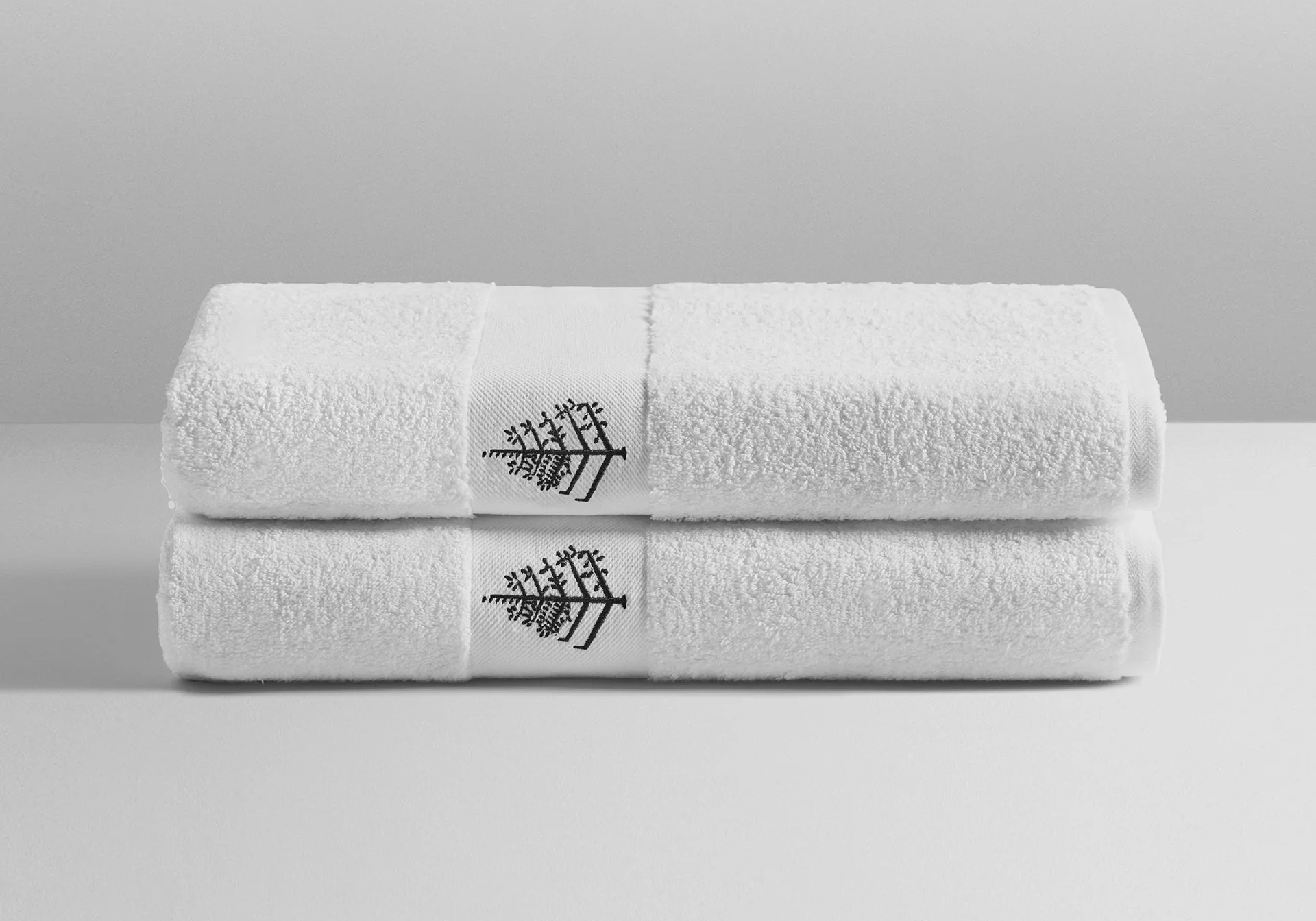
Fabric weight and thickness directly determine durability. For high-frequency hotel scenarios, medium and high-grammage linens are more suitable. Towels are recommended to reach 500GSM or above for guaranteed water absorption, fluffy texture and wear resistance. Bed sheets and duvet covers adopt balanced grammage design to deliver both comfortable hand feel and stable structural toughness, avoiding premature thinning and transparency after long-term commercial laundering.
Improper laundry operations are the primary cause of accelerated linen aging. Harsh detergents, excessive temperature, prolonged washing and over-bleaching will destroy cotton fiber structure, resulting in hardening, brittleness, fading and breakage. Standardized commercial laundry procedures are critical to linen life extension.
Hotels must avoid strong alkaline or highly acidic cleaners that corrode textile fibers. Adopt hotel-specific neutral, mild and high-efficiency detergents with accurate dosage control. Excessive detergent residue will harden linen fibers, reduce softness and cause secondary damage during drying.
Overheating and over-washing severely accelerate linen aging. For bed sheets, duvet covers and pillowcases, the optimal washing temperature is below 60°C to prevent shrinkage and fiber deformation. Towel products can adopt slightly higher temperatures but must not exceed 70°C. Washing duration should be adjusted according to stain levels to avoid unnecessary over-cleaning abrasion.
Although bleach removes stains and brightens white linens, excessive chlorine bleach will damage fiber toughness, making linens brittle, thin and fragile. Hotels should minimize bleach usage and replace traditional chlorine bleach with mild oxygen-based bleaching agents to achieve whitening effect while protecting textile fiber structure.
High-temperature drying and over-ironing are easily overlooked causes of linen damage. Drying temperature must be controlled within a reasonable range to prevent fiber shrinkage, hardening and crisping. During ironing, constant excessive high temperature will thin out fabric texture and cause scorch marks. Precise temperature control ensures flat, neat linen appearance without compromising durability.
Unreasonable inventory allocation and disorderly usage will cause partial linens to bear ultra-high frequency circulation, leading to inconsistent aging degrees and shortened overall service life. A scientific rotation mechanism balances usage frequency and achieves uniform wear.
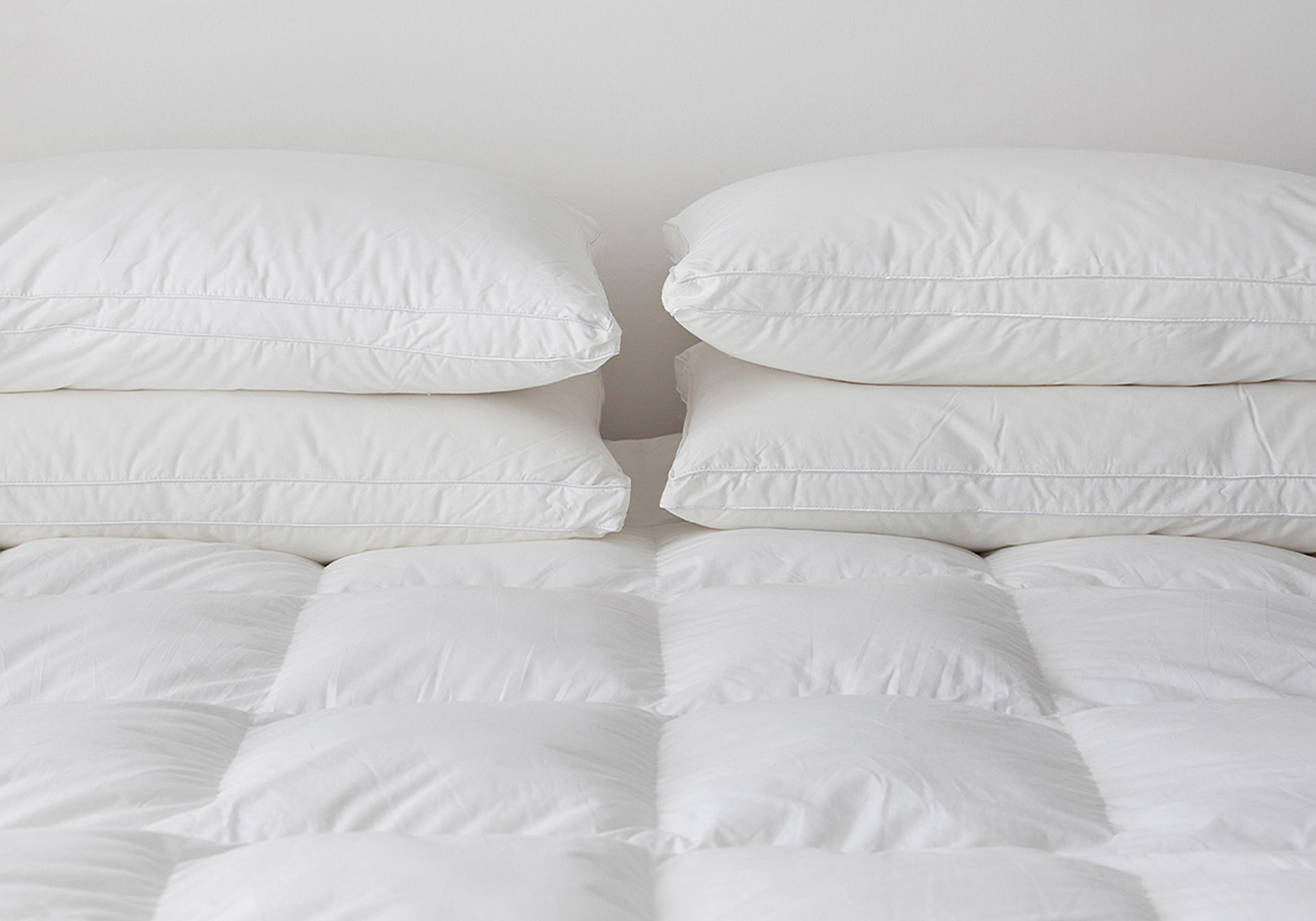
Hotels shall formulate inventory standards based on average occupancy rate and linen loss rate. Excessive inventory occupies capital and storage resources, while insufficient stock leads to overused linens and accelerated damage. Generally, hotels need to reserve 3 to 4 complete linen sets per room for cyclic replacement to disperse usage pressure.
After each laundry batch, linens must be circulated in sequence instead of random picking, which prevents fixed sets from being used repeatedly. Newly purchased linens should be mixed with old stocks for balanced usage to avoid extreme differences in whiteness, texture and appearance, ensuring consistent room display while realizing uniform wear consumption.
Housekeeping teams need to conduct daily and regular linen inspections to identify thinning, fading, pilling, stains, broken threads and local damage. Clearly define linen scrapping standards and update aged linens in a timely manner to avoid damaged products affecting guest experience. Systematic inspection forms a closed-loop mechanism of usage, monitoring and renewal.
Most linen abrasions and deformations occur during manual handling, room making and sorting. Standardized staff operations can effectively reduce human-caused loss.
Hotels should organize regular training for housekeeping staff to standardize linen replacement, folding, handling and storage behaviors. Avoid violent pulling, excessive stretching, hard friction and irregular folding during bed making and linen replacement. Employees must master classification standards and corresponding laundry requirements for different linen categories to prevent mismatched washing processes from causing fiber damage.
Formulate unified institutional standards covering linen procurement, receiving, usage, handover, laundry tracking, storage and scrapping. Clarify departmental and personal responsibilities, realize traceable management of each linen batch, reduce chaotic usage and random loss, and maximize service life through standardized daily management.
With the upgrading of hotel intelligent operation systems, technological means can effectively optimize linen life cycle management and reduce mechanical and chemical loss.
Introduce RFID intelligent tracking technology to monitor linen usage frequency, washing times, circulation status and loss data in real time. The system accurately records the life cycle of each linen piece, helps managers arrange scientific rotation and timed renewal, and avoids blind use and excessive wear.
Adopt low-temperature laundry, water-saving washing and low-damage drying technologies to reduce fiber fatigue and chemical corrosion. Energy-saving and constant-temperature drying equipment stabilizes fabric texture, effectively reducing hardening, shrinkage and wear caused by traditional high-intensity washing methods.
Partial linen damage comes from irregular guest usage. Gentle guidance can effectively reduce unnecessary man-made loss while conveying the hotel’s green service concept.
Place warm reminder cards in guest rooms to guide civilized linen use: avoid placing wet towels on wooden furniture to prevent dye staining, and prohibit using bed linens and towels for dirt cleaning or rough wiping to reduce accidental wear and stains.
Encourage guests to participate in linen reuse programs during their stay. Reasonable reduction of unnecessary linen replacement and washing times not only lowers linen wear and aging speed, but also saves water and energy consumption, conforming to the sustainable development philosophy of modern hospitality.
High-frequency usage is an inevitable operational characteristic of hotel linens, but subsequent wear and loss can be effectively controlled through systematic and refined management. From premium commercial-grade linen procurement, standardized low-damage laundry processes, scientific inventory rotation and standardized staff operations, to intelligent technical supervision and green guest guidance, every link determines the service life and stable quality of hotel textiles. By implementing full-life-cycle linen management, hotels can effectively reduce replacement costs, maintain consistent room presentation quality, and ultimately improve overall operational efficiency and guest satisfaction.
Stay updated, join our mailing list and get 10% off your first order of $100.

 +86 189 9843 1185
 chloe@sanhootel.com+86 189 9849 2275simon@sanhootel.com
 Room 309, Building 11, No.728, Shibei Industrial Road, Panyu District, Guangzhou 511430, China